
IA sudden US foodborne outbreak has triggered a major public health investigation. Official data confirms that 145 individuals across 20 states have fallen ill. In addition, at least 20 hospitalizations have been recorded due to this widening US foodborne outbreak. While New York exhibits the highest concentration of cases, the illness has also emerged in neighboring regions. Therefore, federal agencies are working quickly to track down the contaminated source.
Investigating the US Foodborne Outbreak Source
Public health investigators believe the sudden spike in stomach illness is tied directly to contaminated food distributed within the United States. Specifically, the Centers for Disease Control and Prevention (CDC) notes that none of the affected individuals reported international travel. Consequently, officials are pointing to a domestic food supplier.
The clinical presentations observed in patients appear consistent with several potential types of food poisoning. Medical experts consider the top three possibilities for this outbreak to include:
- Cyclospora cayetanensis: A microscopic parasite that infects the small intestine.
- Norovirus: A highly contagious viral infection that triggers sudden stomach inflammation.
- Salmonella Bacteria: A common bacterial pathogen frequently linked to contaminated fresh produce.
Recognizing the Key Symptoms
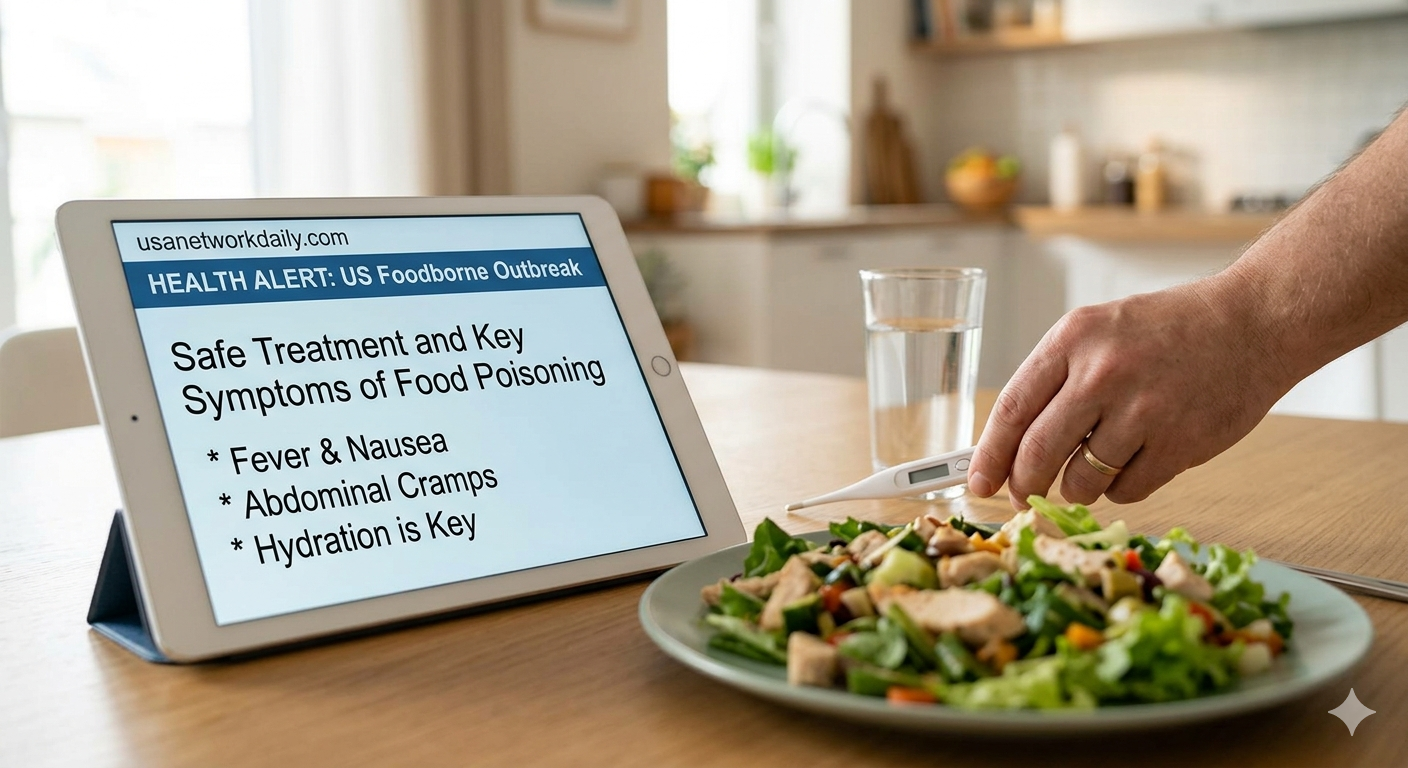
Symptoms typically appear roughly one week after eating contaminated food or water. First, the primary hallmark of this infection is explosive, watery diarrhea. However, patients also frequently report a broader cluster of flu-like issues. These symptoms include intense stomach cramps, bloating, nausea, vomiting, and a low-grade fever.
While some individuals may remain entirely asymptomatic, untreated infections can linger for a month or longer. As a result, this significantly elevates the risk of severe dehydration.
Treatment and Prevention Pathways
Recovering from a severe gastrointestinal outbreak requires a careful approach to medical care. Health professionals prioritize three distinct treatment and prevention options:
- Prescription Antibiotic Therapy: For confirmed parasitic infections, doctors typically prescribe a targeted course of trimethoprim-sulfamethoxazole. This medicine is widely known under the brand names Bactrim or Septra.
- Intensive Fluid Replenishment: Managing dehydration is critical. Patients should utilize oral rehydration solutions to counteract the effects of prolonged illness.
- Rigorous Food Handling Practices: To prevent ongoing exposure, consumers must follow federal food safety guidelines. For example, you should thoroughly wash imported fresh produce like basil, cilantro, and lettuce.
While maintaining strict food safety guidelines at home protects your family from illness, tracking the commercial food sector is equally important. Read our recent coverage on how the Raising Cane’s July expansion is changing the restaurant industry across new US markets.
If you or a family member are experiencing persistent gastrointestinal distress, contact a qualified healthcare provider immediately. They can provide proper testing and a personalized care plan.
This developing story was updated following ongoing localized alerts reported by the New York Post.”
Disclaimer: The information provided in this article is for informational and educational purposes only and should not be considered personalized medical advice. Always consult a qualified healthcare professional or doctor for medical diagnosis, treatment options, or advice regarding a health condition.
Leave a Reply