
If it feels like you’re hearing about Cyclospora more than usual this summer, that’s not in your head. The numbers are genuinely unusual this year, and the outbreak keeps growing week over week.
Here’s where things actually stand right now, based on the CDC’s most recent data.
The Numbers Are Way Higher Than Normal
As of July 13, 2026, the CDC has confirmed 1,645 domestically acquired cases of cyclosporiasis across 34 states. Another 5,100 cases are still under review to determine whether they count as domestically acquired. For comparison, the CDC had only logged 249 domestic cases by this same point in 2025. That’s more than six times last year’s total, and the season isn’t over yet. The CDC considers May 1 through August 31 the official cyclosporiasis season, so there’s still plenty of runway for these numbers to climb further.
Of the confirmed cases with data available, 141 people (about 9%) needed hospitalization. No deaths have been reported so far.
A Growing Cluster Tied to Lettuce
Within that larger national total, health officials are tracking a specific multistate cluster that’s grown fast. As of July 13, more than 400 cases have been linked to a single outbreak spanning Michigan, Ohio, West Virginia, and Kentucky. By July 16, that cluster had grown to roughly 1,644 people across five states, after Indiana joined the list.
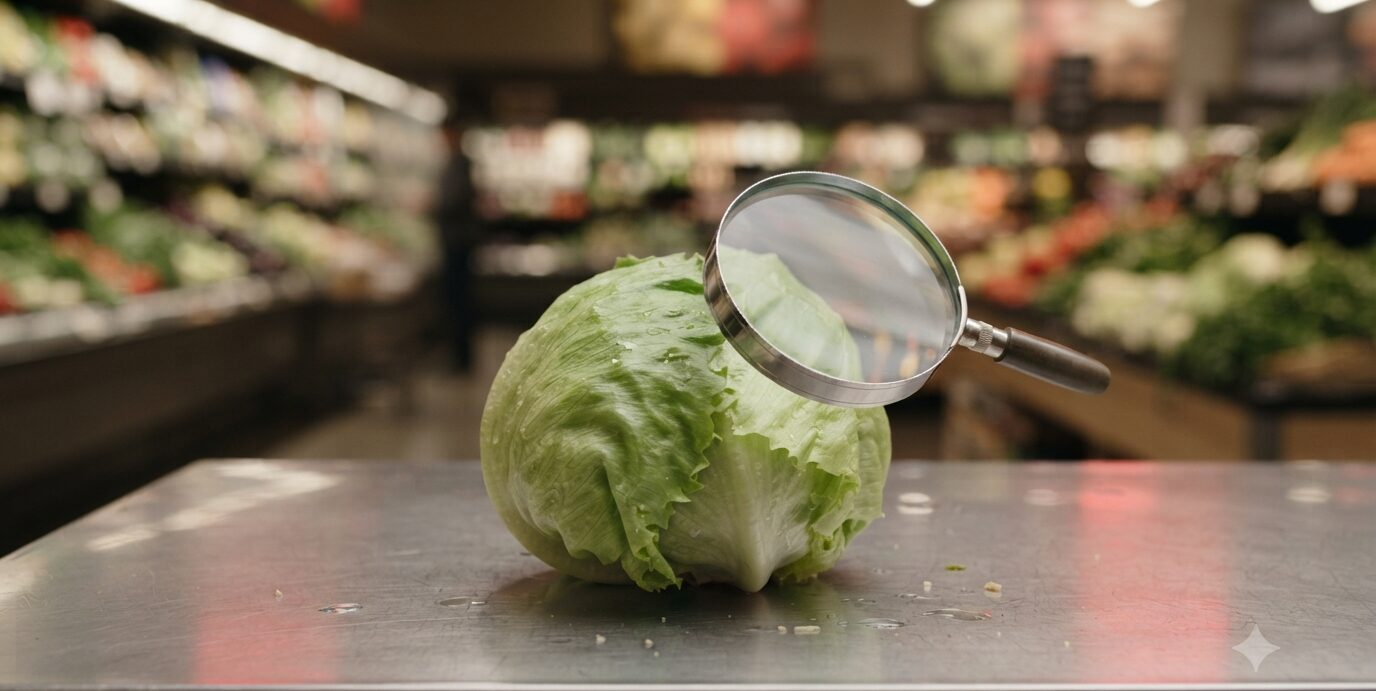
Investigators traced the source to shredded iceberg lettuce served at Taco Bell locations, sourced from a single supplier in central Mexico. On July 17, 2026, Taylor Farms de Mexico pulled all iceberg lettuce sourced from that region off the U.S. market. If you’ve eaten at a Taco Bell in Indiana, Kentucky, Michigan, Ohio, or West Virginia recently and developed symptoms, this cluster is worth mentioning to your doctor.
Michigan has been hit especially hard. The state’s health department has conducted more than 1,000 patient interviews as part of its investigation, and Michigan alone has reported over 5,000 cyclosporiasis cases so far this year.
Why This Keeps Happening With Produce
Cyclospora spreads through food or water contaminated with the parasite, usually traced back to fresh produce that’s hard to wash thoroughly. If you want the full breakdown of symptoms, incubation time, and how the illness actually progresses, our earlier guide to cyclosporiasis symptoms and causes covers that in detail.
The tricky part is that washing alone often isn’t enough. Cyclospora’s outer shell clings stubbornly to textured surfaces like lettuce leaves and fresh herbs. That’s exactly why experts say rinsing helps but doesn’t fully solve the problem. Standard produce washes and even chemical disinfectants don’t reliably kill it either. Cooking food thoroughly is still the only guaranteed way to eliminate the risk.
This outbreak is also part of a broader pattern of produce-related recalls this year. If you’ve noticed more recall headlines than usual lately, that trend isn’t your imagination either. 2026 has been a busy year for FDA food safety alerts overall.
What to Actually Do Right Now
A few practical steps make sense given where things stand:
- Skip shredded iceberg lettuce from unclear sources, especially at fast food chains in the affected states, until the recall fully clears the supply chain.
- Watch for symptoms if you’ve eaten at an affected location recently. Watery diarrhea, cramping, and fatigue are the hallmarks, and they typically show up one to two weeks after exposure.
- Mention Cyclospora specifically to your doctor if symptoms drag on. Standard stool tests often miss this parasite, so testing usually requires a specific request.
- Keep an eye on CDC updates. Outbreak investigations shift quickly, and case counts get revised as more reports come in.
The Bigger Picture
Public health officials haven’t nailed down exactly why 2026 has been such an outlier year. What’s clear is that cyclosporiasis cases are running well above the norm nationally, not just within the lettuce-linked cluster. Multiple states are reporting increases even outside the known outbreaks, which suggests broader produce supply chain issues rather than one isolated incident.
For now, the safest approach is the boring one: know where your produce comes from when you can, take recalls seriously, and don’t assume a quick rinse under the tap is doing more than it actually is.
Sources: CDC, Food Safety Magazine, Infection Control Today, Michigan Department of Health and Human Services.
Important: This article is written for general public awareness only and is not medical advice. It doesn’t diagnose or recommend treatment for individuals. Readers with symptoms should consult a healthcare provider directly.